

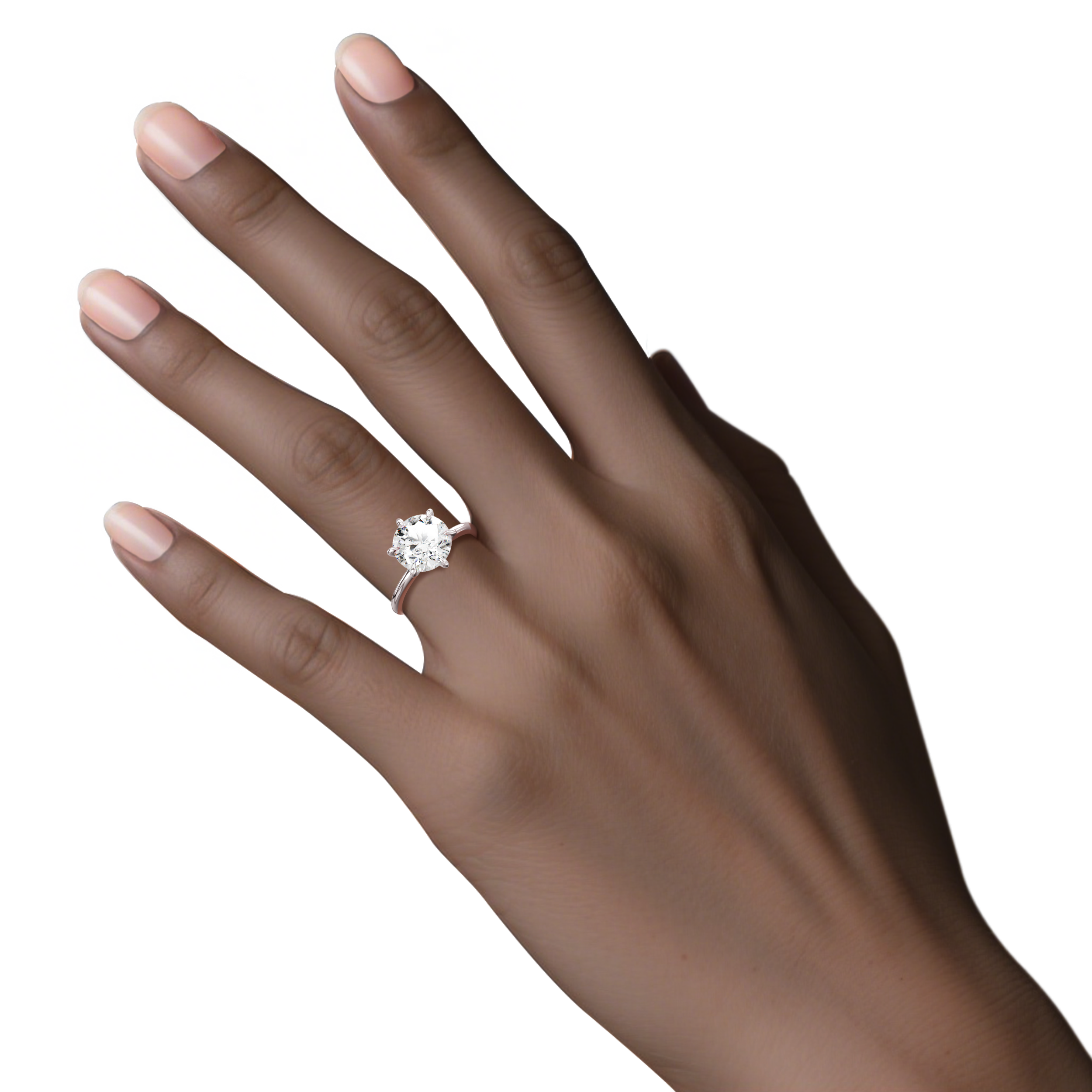
Opening the Box: A Real Moment, A Few Numbers, One Big Question
You walk into a sunny boutique, try on a ring, and your heart jumps. Then you check the mirror again and wonder if it’s practical day to day. Bridal sets promise harmony, sparkle, and a life fit—so why is the choice still so tricky? A recent shopper survey says more than half of couples compare at least three shapes online before visiting a store, yet many still swap the set later. That means time, resizing, and sometimes regret (mamma mia, no one wants that). Is the shape the issue—or the way we judge comfort, balance, and maintenance?

Here’s the question: how do we align style with real-world wear without losing romance? The answer sits in the fine print—the prong setting, the shank shape, even the bow-tie effect—and in how your hands move every day. We’ll weigh beauty against function, side by side, gently. Then we’ll zoom into the choices that shape your week, not just your wedding. Avanti—let’s compare with clear eyes and warm hearts.
The Pear, Under the Loupe: Hidden Pain Points You Can Actually Solve
Why does the pear behave differently?
From a technical lens, the pear shaped bridal set is a hybrid. One end is rounded; the other narrows to a tip. That asymmetry affects balance, sparkle spread, and even how the ring rotates on your finger. Many buyers miss two factors: the bow-tie effect and tip protection. A visible bow-tie can dim the center, especially under office LEDs. A bare tip, if the prong setting is light, can snag sweaters. Clarity grading also matters more than people think; inclusions near the point can show faster, because the light path focuses there. Look, it’s simpler than you think: ask where the prongs sit, how the tip is shielded, and how the facets return light at normal desk height.

The band and wedding ring must counterbalance the stone’s pull. If the shank is too slim, the set may spin. A tapered shank, or a small interior sizing bar, can reduce that. A petite halo or a slim bezel at the tip can protect the point without visual bulk. Micro-pavé adds fire, but keep it low-profile if you type or cook a lot (ciao, apron strings). One more detail: finger coverage. Pears often appear larger carat-for-carat because of the elongated table. That’s good for presence, but make sure daily tasks still feel agile. When the mechanics support the idea, the romance lasts longer.
Comparative View, Future-Facing: Shape, Tech, and Life on the Hand
What’s Next
Now we look forward—and compare with calm. The pear’s asymmetry asks for protection and counterweight; by contrast, emerald cut bridal ring sets bring step-cut geometry, broad flashes, and a flat table that loves clarity. With new CAD mountings and 3D scanning, jewelers can map your knuckle-to-knuckle profile and tune the shank arc to reduce spin. Low-profile baskets sit closer to the hand, and “comfort-fit” interiors help rings track straight. Even tiny under-galleries act like shock absorbers—funny how that works, right? In short: engineering meets elegance. Semi-formal look, serious comfort.
Let’s pull the threads together without repeating ourselves. Pears are stunning, but they reward smart tip armor and balance. Emeralds are crisp and architectural; they spotlight clarity and symmetry rather than fire. Both benefit from precise prong torque, shank width matched to carat weight, and a low snag profile. For choosing well, use three metrics: fit stability under light hand movement; light performance at real angles you live in (not just the showcase tilt); and maintenance load over a year—cleaning ease, prong check intervals, and wear on micro-pavé. Advisory note—choose the set that wins two of these three for your lifestyle, and you’ll wear it more, worry less. When head and heart agree, the set sings. For thoughtful craft and clear choices, see Vivre Brilliance.