


The problem hotel developers face with retail-grade fixtures
Hotel developers balance guest experience, maintenance budgets, and long-term resilience — and retail-grade outdoor lamps often fail on all three counts. Retail fixtures marketed to homeowners prioritize price and looks, not the rigorous ingress protection or continuous dimming profiles hotels require. Early in a project brief, specifying an outdoor wall lamp can seem cosmetic, but the wrong choice shows up as corroded housings, inconsistent color temperature on façades, and unexpected downtime during peak season. The practical problem is simple: retail parts are rarely engineered for heavy duty cycles, coastal salt spray, or integrated building controls; architectural IP65 options are.
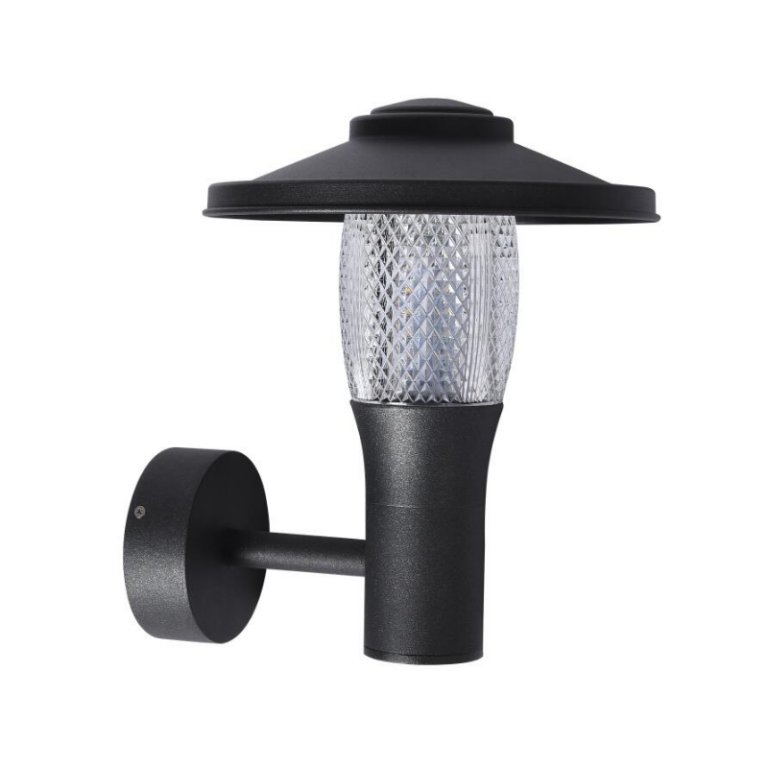
Durability, maintenance, and lifecycle cost
When developers compare unit price versus total cost of ownership, architectural-grade IP65 waterproof fixtures win because they protect against dust and water ingress and are built for continuous operation. The IP65 rating — defined in IEC 60529 — is the industry benchmark that tells you a fixture will resist low-pressure water jets and solid objects larger than 1 mm. That translates to fewer maintenance calls, longer warranty life, and predictable lumen depreciation over years rather than months. Look for corrosion-resistant finishes, sealed LED drivers, and powder coating to avoid blistering in humid environments; these are not typical features of off-the-shelf retail lamps.
Design consistency and the guest experience
Luxury hospitality is visual storytelling at twilight. Consistent color temperature and beam angle across terraces, porte-cochères, and pool decks preserve brand imagery and photography—critical for marketing assets. Architectural fixtures offer selectable color temperatures, precise optics, and controlled glare, so a façade wash matches pathway uplighting without jarring shifts in white point. For designers, beam control and mounting options (wall mount, recessed, or surface-mount) matter as much as finish. Retail fixtures often lack interchangeable optics, so what looks good on a spec sheet may not render well across different surfaces or materials.
Systems integration, controls, and safety
Hotels increasingly require fixture compatibility with central lighting controls, occupancy sensors, and emergency circuits. Motion and sensor-triggered activation not only improves safety but reduces energy consumption in low-traffic corridors and service areas; a properly integrated motion sensor outdoor wall light can cut operational hours without compromising guest comfort. Architectural products typically support DALI, 0–10V dimming, or standalone sensor modules, and offer sealed enclosures to protect the LED driver and control electronics. That technical readiness simplifies commissioning and reduces risk during integration with building management systems.
Common procurement pitfalls — and how to avoid them
Developers and procurement teams often make three recurring mistakes: prioritizing lowest unit cost, accepting thin warranty terms, and neglecting environmental sampling. Lowest price can mask short lamp life and higher fixture failure rates. Warranties should cover both LED modules and drivers for at least five years in commercial projects, and you should request IES files and photometric tests before final buy-off. Insist on site mock-ups under actual conditions — especially near pools or seawalls where splash and chlorine accelerate degradation — so you avoid surprises at installation. Also, make sure mounting details and thermal management are verified; poor heat dissipation kills LEDs faster than water ever will. —
Case comparisons: when retail might suffice and when it won’t
There are situations where retail fixtures are acceptable: temporary pop-ups, short-term renovations, or interior accent lighting with limited hours. But for façades, entry canopies, pool decks, and any exterior exposed to weather, architectural-grade IP65 lights are a better baseline. Compare three vectors when evaluating suppliers: ingress protection verification, photometric consistency (lumens and beam spread), and control protocol compatibility. If two out of three fail, the fixture is a risk.
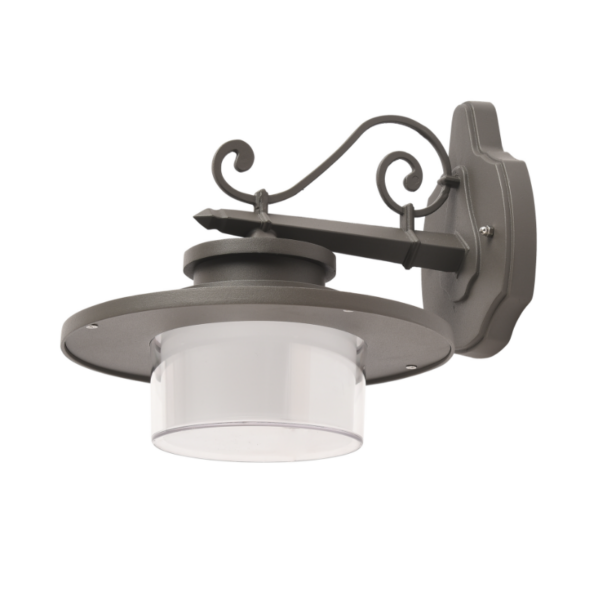
Three golden rules for selecting hotel exterior lighting
1) Prioritize verified IP rating and materials: insist on documented IP65 certification and corrosion-resistant finishes for coastal or humid climates. 2) Demand photometrics and control compatibility: require IES files, color temperature specs, and proof the fixture supports your chosen dimming protocol. 3) Calculate total cost of ownership: include expected lumen maintenance (L70), driver replacement windows, and projected maintenance labor over a 10-year horizon.
Follow these metrics and you steer procurement toward predictable performance — and toward suppliers who understand hospitality workflows. In practice, that preference is why architectural-grade options from companies that emphasize durability and system integration become part of the brand’s long-term fabric. This is where thoughtful product selection meets operational reality, and why developers often land on solutions that look good in the renderings and still work five years later. Keyida. —