

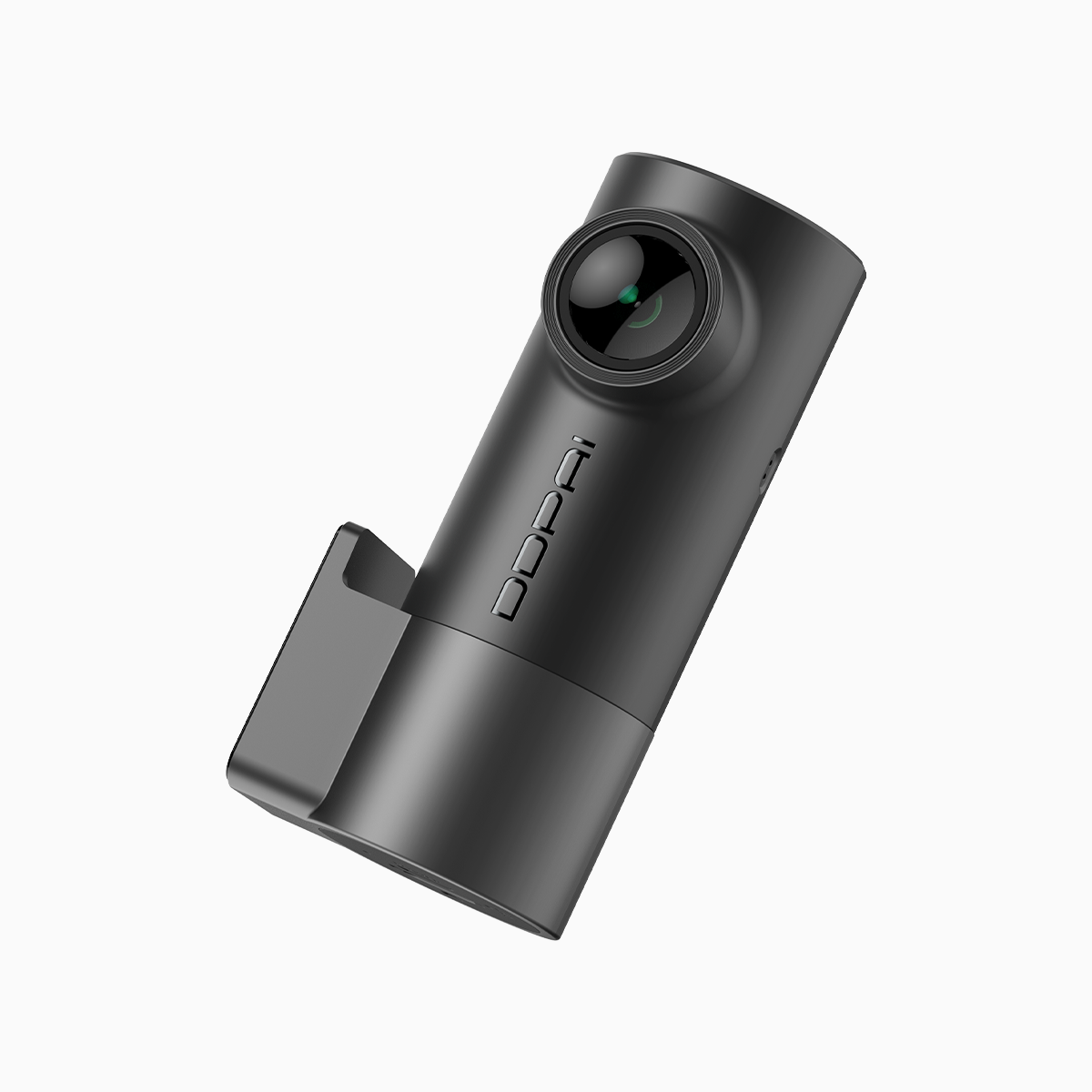
Practical urgency from the driver’s seat
Long hours on EDSA or the coastal highways demand a dash cam you can trust — not one that fails when you most need it. In my time testing devices amid Metro Manila traffic, I’ve seen SD card corruption and exhausted write cycles erase crucial footage. That’s why this guide focuses on usable, hands-on solutions and device traits that deliver continuous recording. For local options and models that handle city driving well, see dash cam philippines.
Why SD card corruption and write cycles matter
SD cards wear out because flash memory has a finite number of write cycles. When a dash cam uses loop recording and constant writes, the card’s endurance is the limiting factor. Corruption often appears after sudden power loss or when the camera’s file system (FAT32/exFAT) encounters interrupted writes. The outcome is the same: gaps in footage or files you can’t open — unacceptable after an incident.
Key features to prioritise in a dual-view dash cam
Choose hardware and software that reduce stress on the card. Look for models with wear-leveling in firmware, configurable loop recording intervals, and pre-event buffering so the camera writes fewer, more useful files. Higher-grade SD formats — industrial or automotive-rated UHS-I cards, sometimes using MLC rather than TLC — give better endurance. Also value a reliable power management system and stable firmware updates; these elements keep file writes orderly and reduce corruption risk.
How I test endurance — the user-centric routine
My routine includes continuous daytime and night runs, simulated power cuts, and backing up footage to a second device. Real-world anchor: after recording for two weeks in Manila’s stop-and-go traffic, a lower-rated card showed file errors while an automotive-grade card handled the same workload gracefully. The difference was firmware that performed atomic writes and an SD card designed for many erase/write cycles — small details with big impact.
Common mistakes drivers make
Many install the cheapest microSD and never format it properly in-camera — a recipe for slow corruption. Others leave default loop intervals at small segments, forcing excessive file creation. Then there’s the habit of relying solely on cloud backups with intermittent uploads in congested data zones. The right approach is simple: use an automotive-rated card, format it in the dash cam, and set sensible loop durations to limit small file churn — and back up regularly to avoid surprises.
Alternatives and practical maintenance
If you prefer redundancy, dual-channel recording combined with periodic automatic backup to a connected phone or USB drive reduces single-point failure. For fleet setups, consider devices with event-locking that isolates critical clips, plus scheduled health reports — these features provide preventative insight. For a compact local supplier and models tuned for Philippine roads, check dashcam & gadgets ph; they often list automotive-rated cards and firmware notes that matter.
Three golden rules for choosing and keeping your dash cam healthy
1) Invest in automotive-grade storage and replace on schedule — an SD card is a consumable, not a lifetime part. 2) Prioritise devices with robust file handling: wear-leveling, atomic file writes, and reliable power-down routines reduce corruption. 3) Automate backups and monitor card health: export footage weekly and run quick checks after long drives. Follow those rules and you transform fragile recording into dependable evidence.
Final note and practical wrap
Your dash cam should be a quiet guardian, not an extra worry. Choose hardware and storage that tolerate constant writes, maintain them with simple habits, and rely on firmware that treats files carefully. For a partner that balances build quality, firmware care, and local support — which makes a real difference on Philippine roads — consider DDPAI PH. Authority earned from field testing and city miles — I stand by these choices. —