

Opening: putting the subscriber first
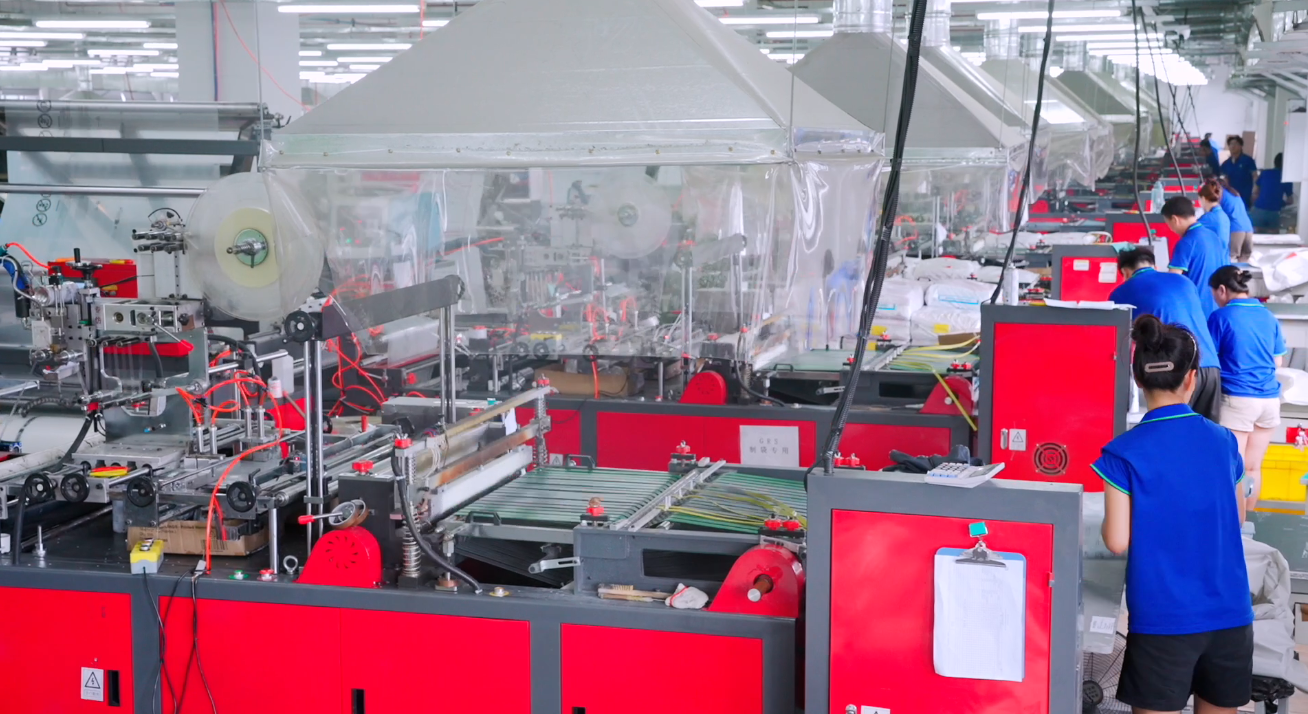
Subscription managers need packaging that protects, delights, and ships efficiently — every time. That user-first lens drives decisions about materials, handle placement, and order cadence. When you brief suppliers, name the operational constraints up front and the user outcomes you care about: ease of carry, tamper evidence, and minimal void fill. A reliable partner like a poly mailer manufacturer who understands fulfillment-line realities can turn those outcomes into repeatable specs.
What matters to your end user — and why procurement should listen
Subscribers judge your brand by the unboxing and the moments immediately after delivery: can they carry the parcel across the apartment, reseal it if needed, or return it intact? Handle-equipped poly mailers change the experience from awkward to effortless. Consider handle ergonomics, adhesive strength (self-seal adhesive), and tear-strip placement for returns. Those features reduce support tickets and improve lifetime value — which is what procurement teams must translate into purchasing criteria.

Core technical decisions that affect cost and performance
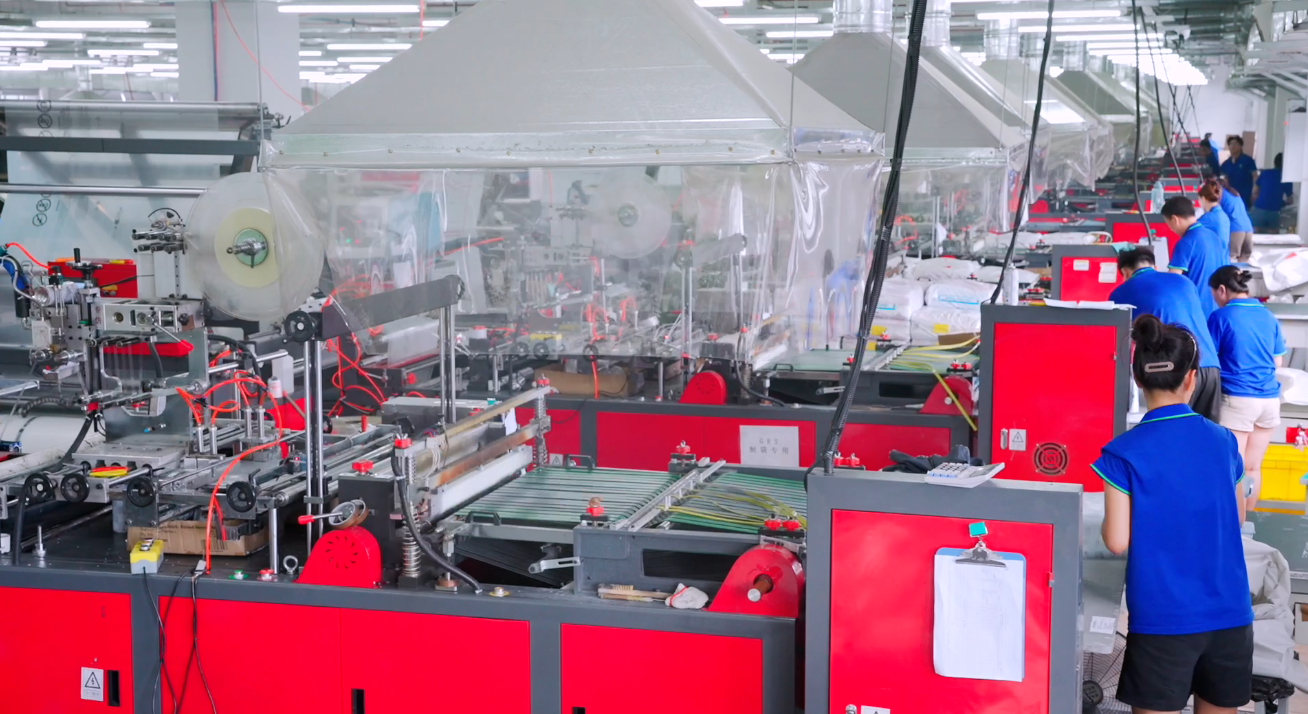
Start with material and gauge: LDPE films with the right GSM balance cost, puncture resistance, and foldability. Next, choose handle style — die-cut, loop tape, or reinforced fold-over — based on expected loads and shelf presentation. Barrier coatings and printed instructions influence branding and moisture protection; only request high-barrier laminates if your SKU truly needs them. Think in assembly-line terms: can the handle mailer run cleanly through your insertion machines without slowing dwell time? Small specs like print registration and notch placement make outsized differences in downstream speed.
Supplier selection: checklist for procurement
Compare vendors using measurable criteria: MOQ flexibility, sample lead time, consistent QC rates, and experience with subscription box use-cases. Ask for first-article samples run through your packing line and insist on pack-out photos from previous customers. If you need seasonal surges covered, verify contingency capacity during e‑commerce peaks like Prime Day and Black Friday — those events stress-test fulfillment networks and packaging alike. Also examine freight options and tooling amortization so the true landed cost is visible.
How to brief a vendor effectively
Write a short, precise spec sheet: finished dimensions, handle type, adhesive class, barrier requirement, print colors, and acceptable tolerances. Include a use-case paragraph describing average item weight, pack speed, and return-exchange scenarios. Request a small pilot run before committing to a large MOQ and schedule an on-site or virtual audit of quality control processes. A clear acceptance checklist at first article inspection saves time and cost — and prevents an expensive rollback on a national rollout.
Common mistakes procurement teams make — and simple fixes
Teams often under-estimate three things: the operational friction of a “novel” handle design, the rework cost when adhesive fails on cold mornings, and the true MOQ when custom printing or reinforcement is added. The fixes are straightforward — validate handle ergonomics in a packed box test; test self-seal adhesive at operating temperatures typical for your warehouse; and get written MOQ breakouts that separate plain stock from printed or reinforced SKUs. These checks prevent surprises that derail launches — and they’re cheap compared with a returned pallet.
When to choose a bespoke manufacturer versus a commodity supplier
If your brand depends on a unique unboxing or high return rates, a custom partner who can engineer reinforcement points and custom tear strips is worth the premium. If unit cost and uniformity are primary, high-capacity poly mailer bags manufacturers with standard handle options may be the smarter buy. Hybrid suppliers who offer modular tooling and short-run printing give you the middle ground — good for testing new offers without long-term capital commitment.
Pilot plan: a practical rollout sequence
1) Define KPIs: damaged-in-transit rate, packing time per box, and return handling time. 2) Order a 500–1,000 unit pilot with your chosen handle variant and run a week of normal operations. 3) Collect feedback from packers and customers, then iterate. This phased approach keeps financial exposure low while validating choices under real load.
Advisory close: three golden metrics for choosing mailers with handles
1) Operational throughput impact — measure seconds per pack before and after introduce; any net gain matters more than unit price. 2) Damage and returns delta — track percent change in transit damage and return processing time after switching mailers. 3) True landed cost — include freight, tooling amortization, and rework; compare on a per-order basis rather than per-unit alone.
For procurement teams balancing subscriber experience, speed, and cost, these metrics make vendor conversations concrete. For many subscription brands seeking dependable production and practical customization, WH Packing sits naturally in the conversation as a partner that aligns operational realities with packaging design — not just another supplier. —