

Introduction — What efficient charging really means
Let me start by defining the core idea: charging efficiency is not just about speed; it’s about how much usable energy reaches the battery versus how much is lost as heat or wasted negotiating protocols. In the context of a dc ev charger, that distinction changes how we plan sites, size power converters, and even pick vendors. Imagine a city where 40% of public chargers underdeliver during rush hours (recent field surveys show similar strain in urban hubs) — what do you do when demand spikes and the equipment can’t keep up? (I find that scenario all too familiar.)
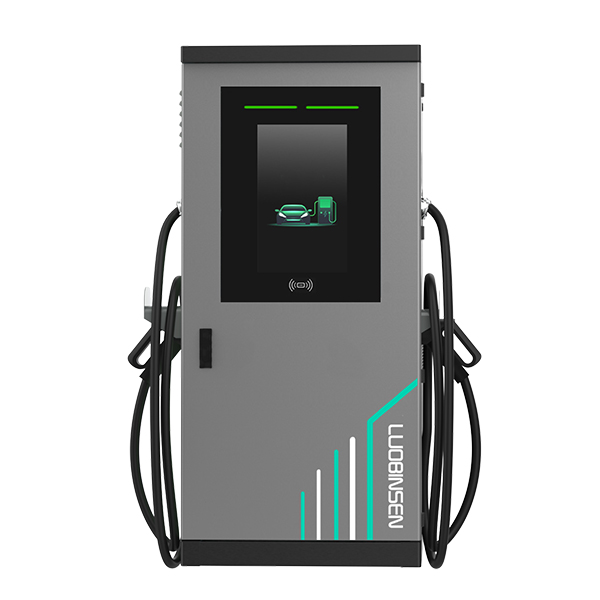
We need to think about efficiency across hardware and software: thermal design, charging protocol negotiation, and the battery management system all matter. I’ve seen projects where a smart control stack solved what looked like a hardware problem. That said, efficiency must become an operational metric you measure, not just a marketing line. Let’s move from the concept to where these systems actually break down — and why that gives you an opening to do better.
Part 2 — Where traditional fast charging electric car stations stumble
Bold claim: most public chargers are designed for an ideal world, not for the real one. fast charging electric car stations on paper often hit rated kilowatts, but in practice they throttle when multiple cars queue, or when the grid voltage sags. I’ve watched a perfectly healthy DC bus and its power converters trip repeatedly under load; that kind of failure isn’t rare. Look, it’s simpler than you think — poor thermal management and weak communication protocol handling are the usual culprits.
What I notice again and again is that vendors optimize for peak output numbers rather than sustained throughput. That hurts user experience more than you’d expect. Drivers get inconsistent sessions. Site operators get angry calls. Meanwhile the battery management system keeps requesting conservative charging curves because it doesn’t trust the charger’s telemetry. — funny how that works, right?
What specific user pains are hidden?
Many customers complain about long waits, but the underlying pain is unpredictability. They can tolerate 30 minutes if it’s reliable; they cannot tolerate sessions that start at 150 kW and fall to 50 kW without warning. For operators, hidden pains include higher maintenance from thermal cycling, billing disputes when sessions abort, and difficulty forecasting capacity needs. I’ve learned to ask: are we solving for peak headline power, or for consistent usable energy per session? That question often separates good design from poor design.
Part 3 — Principles for the next generation: what a modern wallbox dc charger should do
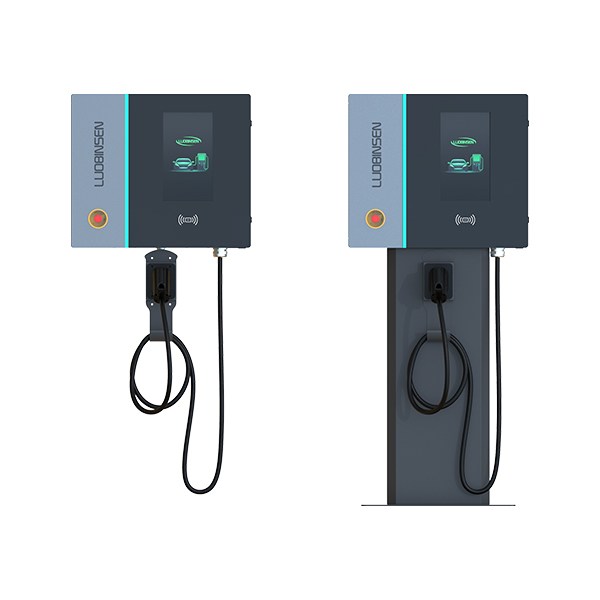
Now I want to look forward and lay out core technical principles that matter. A modern wallbox dc charger must balance power electronics, software control, and grid awareness. In practice that means modular power converters that can shed or aggregate capacity, advanced thermal design to avoid derating, and smarter communication stacks that negotiate charging protocol updates in real time. I favor architectures that separate high-voltage switching from control logic — it makes field servicing easier and reduces downtime. Newer designs also adopt edge computing nodes to run local optimization, so sessions don’t depend entirely on cloud latency.
We should expect better telemetry, too. If a charger reports battery impedance, cell-level SOC trends, or cooling loop status, the charger and BMS can safely push higher power when conditions allow. These are not magic tricks; they are engineering trade-offs. I believe adoption will accelerate when installers can demonstrate measurable throughput gains instead of just quoting peak kW numbers. — surprisingly simple sometimes.
What’s Next: measurable metrics you can use
Here are three evaluation metrics I recommend you use when choosing chargers: 1) Sustained delivered energy per session (kWh at usable current), not just peak kW; 2) Duty-cycle thermal resilience (how often a unit derates under multi-vehicle load); 3) Network and protocol flexibility (ability to accept firmware updates, communicate advanced BMS signals, and integrate with site power management). Measure these, and you’ll avoid cherrypicked specs.
In closing, I’ve seen projects improve user satisfaction simply by rethinking operational metrics and choosing chargers that match real duty cycles. We can compete on reliability and predictability as much as on headline speed. If you want partners who build to those principles, I point you to vendors who prioritize usable energy and robust design — and yes, I’ve worked with teams that deliver exactly that. For more information, check out Luobisnen.