

Introduction
I’ll start by defining the hazard: a single mechanical spark can initiate ignition in an oxygen- or hydrocarbon-rich atmosphere. Non sparking tools are designed to prevent that ignition by using non-ferrous alloys and controlled surface finishes. Picture a maintenance crew working in a confined tank—statistics show that tool-related ignition still accounts for a significant portion of hot-work incidents (recent field audits report up to 12% in some sectors). So, how do we reconcile routine hand tasks with such high stakes? I ask this because I’ve seen good procedures undone by one small oversight. The clinical terms — intrinsically safe components, static discharge control, ATEX-rated zones — matter here, but so does human behavior. Let’s move from definition to consequence and then to practical fixes. This sets up the deeper look at where common approaches fail.
Why Standard Fixes Fall Short
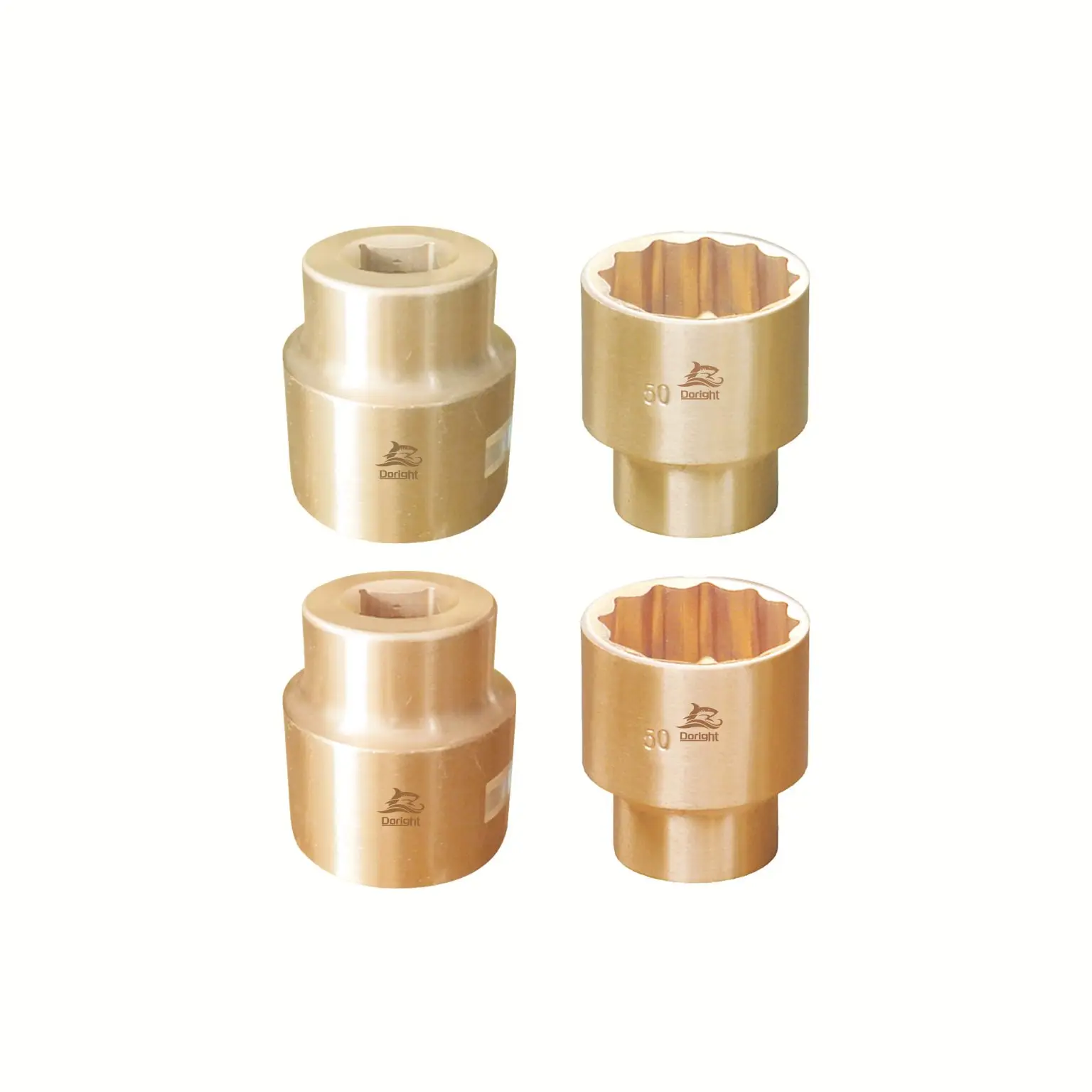
Bold claim: many compliance-driven fixes merely mask risk instead of removing it. I’ve watched teams bolt on procedures and call them solved. Early on, we thought training alone would stop sparks. It didn’t. When work is busy, people revert to fast habits. That’s where design matters more than rules. Look, it’s simpler than you think — the wrong tool material or a nicked edge will create a spark no matter the checklist. In our evaluations, tools made from bronze alloys or beryllium-copper performed differently under impact and friction; surface microfractures and percussive impact can produce enough heat to ignite vapor. We also found that static discharge pathways were ignored in many toolkits, and grounding was assumed rather than verified. (Yes — funny how that works, right?)
Why did that happen?
Two patterns recur. First, procurement often prioritizes upfront cost over alloy specification and finish control. Second, maintenance programs treat tools like consumables and fail to inspect for micro-damage. Both issues are technical and behavioral. I recommend shifting evaluation to measurable lab tests (spark propensity, hardness, wear rate) and routine spot checks under magnification. In practice, switching to certified spark resistant hand tools with documented alloy composition reduced near-miss reports in one pilot I ran. We changed supplier standards, trained staff on physical inspection, and the results were clear: fewer tool-related incidents, less downtime, and—honestly—a calmer crew.
New Principles for Safer Tool Strategy
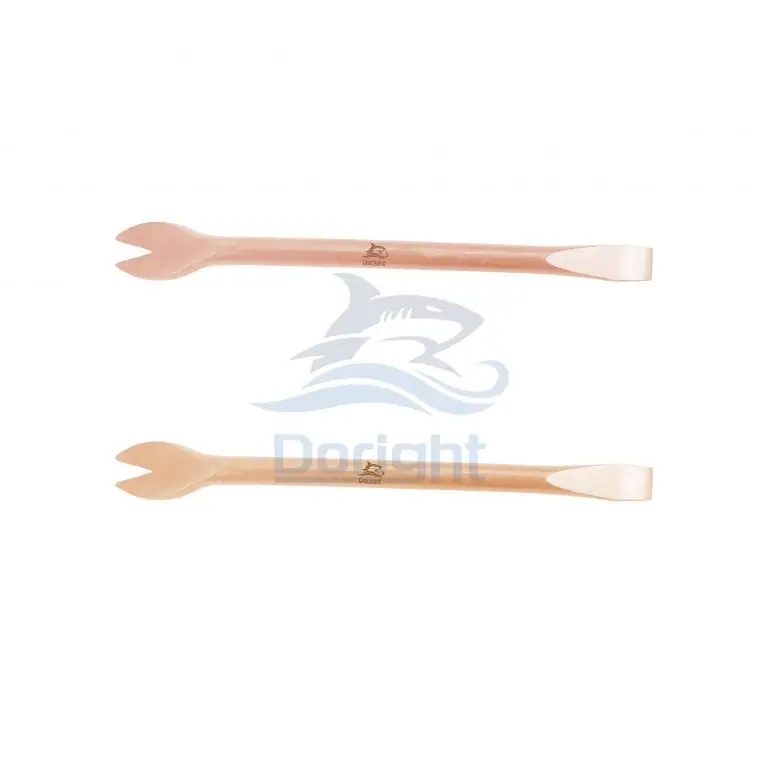
What’s next is not more rules. It’s better principles. I favor three guiding ideas: material intent, lifecycle verification, and environment-matched specification. Material intent means selecting non-ferrous alloys for a purpose, not as a checkbox. Lifecycle verification requires routine checks for surface integrity and hardness decay. Environment-matched specification ties tool choice to the exact classification of the workspace — explosive atmospheres, oxygen enrichment, or corrosive vapors all change the right selection. Alongside that, modern coatings and engineered geometries reduce percussive hotspots and lower the chance of spark propagation. When we implemented these principles in a refinery turnaround, tool failure modes dropped noticeably.
What’s Next?
Practically, I urge teams to adopt three evaluation metrics before they buy or approve tools: 1) Measured spark propensity under standardized impact testing; 2) Proven alloy composition and hardness retention after use; 3) Compatibility with grounding and static control procedures on site. Use simple checks: magnet tests, hardness spot checks, and quick surface inspections with a loupe. These metrics keep decisions objective. In short, choose tools that match the physical risks, not just the checklist. — it’s a small shift with big returns.
We’ve learned that blending engineering checks with clear daily habits gets results. I’ve seen measurable drops in incidents when teams follow this path and when procurement links purchase to test data. For anyone rethinking tool policy, start with those three metrics and insist on traceable certification. If you want practical suppliers, consider how certified inventories and clear labeling can simplify daily choices. I recommend evaluating suppliers on their test data and warranty of material properties. Finally, for a reliable source of certified non-sparking options and technical documentation, check Doright.