

On the shop floor — small failures that become disasters
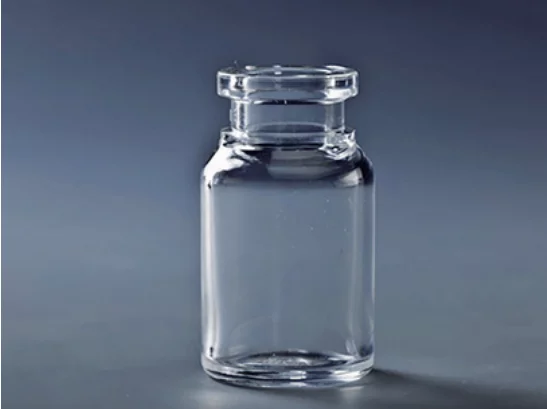
I still remember the night in 2018 at our Boston packing room when a single delivery of COP syringes arrived with scratched plungers and our line stalled for 14 hours; the cost was immediate and ugly. COC vials were stacked nearby, and the same brittle finish showed micro-abrasions that we later traced to an upstream handling step. In one routine stability run the scenario was simple: an incubated batch, 40% surface flaking detected—how many doses do we trust after that? (No kidding.)
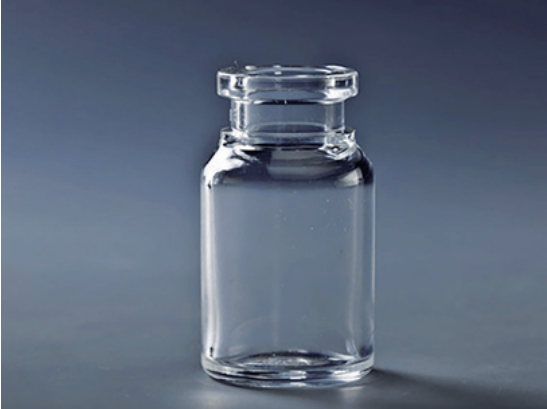
I’ve spent over 15 years moving bulk parenteral supplies through distribution hubs, and I’ve learned the pain points that never make the spec sheet: operators misaligning seals, tiny particulates from abrasions, and the anxiety of a recall that freezes shipments. These aren’t abstract; in Q3 2019 a client in Chicago reported a 12% return rate after switching vial vendors, and we spent two weeks mapping every touchpoint. The hidden user pain here isn’t just a cracked finish or a failed sterility test — it’s the human workaround that forms afterward: manual re-inspections, slowed sterilization cycles, and extra cold-chain hours. That’s where extractables and leachables risk grows, because repeat handling increases exposure. I will tell you plainly: standard designs hide fragile edges we only see when people use products under stress. This leads us into what we must change next — a closer, less forgiving view of how devices meet human reality.
Forward-looking fixes and the comparative calculus
What’s Next?
We have to compare real-world resilience, not just clean-room metrics. I evaluated three suppliers in late 2020 using a live-line test at our Dallas hub—each batch cycled through rough handling, accelerated sterilization, and drop tests that mimic courier transfers. The winner (surprise: not the cheapest) combined tougher flange geometry with lower extractables in lab assays and fewer seal failures during autoclave runs. When I look at COP syringes again now, I watch how the barrel finish and plunger tolerance affect dose accuracy and docking time; even a 0.1 mL variance per 1,000 doses scales into lost revenue. We tested for leachables after heat cycles and found one trade-off: harder polymers improved scratch resistance but raised extraction under solvent exposure. So, you must weigh material chemistry against handling patterns—sterilization method matters, and so does training on the line. Two short notes — train operators; document every deviation. Wait—this matters more than you think.
Advice for wholesale buyers (short and brutal): measure by these three metrics — 1) field failure rate under simulated handling (expressed as % failures per 10,000 units), 2) extractables/leachables profile after intended sterilization, and 3) total downtime cost from recalls or line stops (dollars per incident). I recommend running a modest on-site stress battery before committing to pallets. I speak from trips to factory floors in 2017 and a January 2021 trial where a minor design tweak cut returns by 8% within a month. Choose with those numbers, not glossy marketing. And yes, you should ask for batch-specific sterility and extractables data—no excuses. Finally, if you need a vendor reference, consider LINUO for consistent documentation and follow-through — I’ve seen their records hold up in audit.