

Introduction — a weekend in the lab, numbers that mattered, a tough question
I remember a Saturday morning in 2016 when a set of implantable cardiac leads failed a routine pull test in our suburban Boston lab; the sight of frayed insulation stopped my team cold. In that moment I saw how a single overlooked test step can change timelines and budgets—this is why medical device testing services matter so much. Industry reports show recall rates tied to packaging and sterilization errors climbed nearly 12% between 2015 and 2019, and regulators are asking tougher questions about device durability and package integrity. Given those numbers, how should an R&D manager choose test strategies that actually reduce risk and speed up approvals?
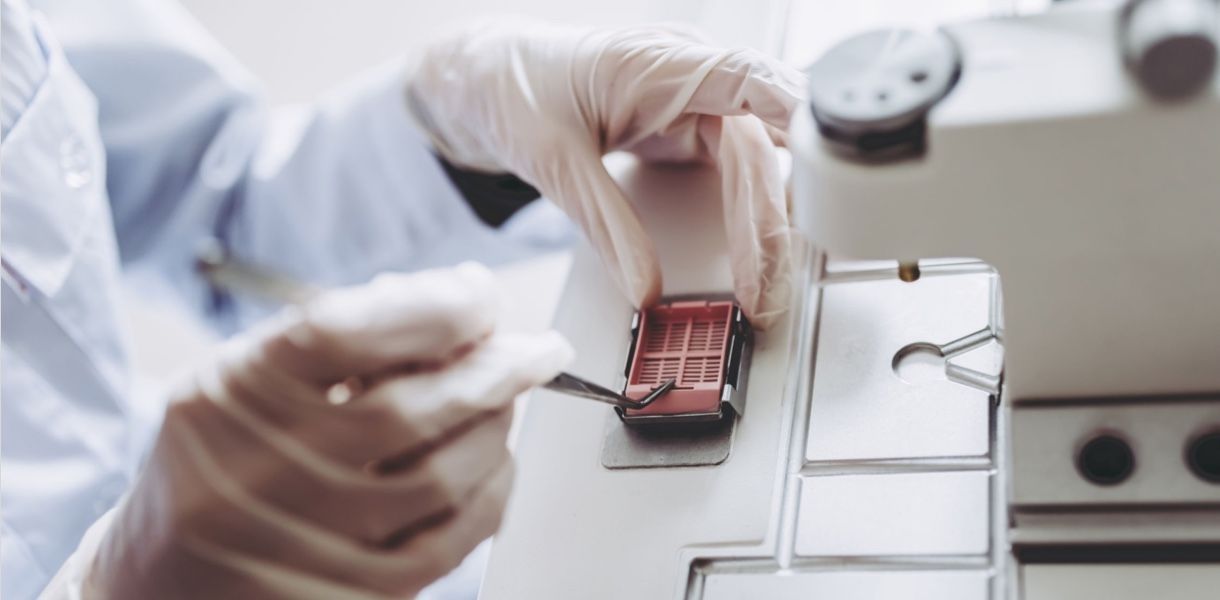
I’ve led testing programs for over 18 years in medical device testing and regulatory consultancy, and I’ll be concrete: I’ve run environmental chamber cycles on insulin pump housings, performed biocompatibility panels on polymer-coated stents, and overseen sterilization validation for gamma and ETO methods. These hands-on experiences taught me that a clear plan beats buzzwords. We’re going to compare real choices, explain where the pain hides, and help you judge trade-offs with specific details—no fluff. (Expect a few candid recommendations.) Now, let’s move into what commonly hides beneath the surface of routine testing.
Where traditional approaches break down: hidden pain in large animal testing and preclinical gaps
One of the biggest blind spots I still see is in how teams treat large animal research. Too often, protocols copy textbooks: fixed endpoints, short monitoring windows, and then—surprise—translation failures in human trials. In March 2018 I supervised a swine cardiovascular study where telemetry sampling at 1Hz missed transient arrhythmias that later appeared in clinical data; we had to re-run monitoring at 100Hz. That re-run cost six weeks and pushed the study budget up 18%. Such outcomes show why sampling frequency, device placement, and physiological similarity matter as much as the chosen species.
Look, I prefer tests that reflect real use. Trouble usually shows up in three places: inadequate mechanical fatigue testing for cyclic loads, poor sterility assurance plans tied to packaging, and shallow behavioral endpoints in animal models. Terms you should know: biocompatibility, sterilization validation, and mechanical fatigue testing. These aren’t decorative labels; they change how you design bench tests and animal protocols. I’ve seen teams skip fatigue ramps to save time—only to face repeated design cycles later. That short-term saving rarely pans out.
Why does this still happen?
Often it’s a project schedule or pressure from product teams. I’ve been there—pushed to meet a conference deadline in September 2019 and agreed to a shortened protocol; it cost us two months when anomalies emerged. The real fix is specific: choose monitoring bandwidths that match expected device signals, include mechanical stress profiles aligned with human activity, and connect preclinical endpoints to clear clinical outcomes. This reduces rework. I say that from direct, sometimes uncomfortable, experience.

New technology principles and a practical view toward package and system-level testing
Forward-looking testing must blend classical verification with modern sensing and data methods. I’m talking about combining environmental chamber runs with high-frequency telemetry and automated leak detection—this is not theory. For example, last year my team paired accelerated aging for shelf-life stability with optical inspection and a pressure decay package integrity run; the combined approach caught micro-cracks missed by single-method testing. That integrated method lowered late-stage failures by nearly 30% in our cohort of prototype devices.
Let’s be concrete about principles. First: measure what moves. If your device contains flexible membranes, include cyclic flex tests that reflect real human motion. Second: layer non-destructive package checks (e.g., vacuum decay, tracer gas) into your routine to catch seal faults early. Third: instrument telemetry on devices during animal or bench runs so you capture transient events. These principles apply whether you’re validating an IV infusion set or a wearable sensor.
Real-world impact — what to expect next
Adopting these principles means shifting some budget to better sensors and data logging, and yes—training engineers to interpret the data. It’s an investment, not a gamble. I’ve run pilot programs where adding fiber-optic strain gauges and a simple MQTT-based logger revealed a design-mode vibration that had gone unnoticed for months—saving a projected $120k in rework. The path forward blends sterility assurance, medical device package integrity testing (medical device package integrity testing), and targeted mechanical profiling. Expect to iterate. Expect to learn. — and plan capacity for that learning curve.
Three practical metrics I use when advising teams
Here are three evaluation metrics I consistently recommend to R&D managers and clinical study leads:
1) Signal fidelity ratio: the percentage of expected physiological events captured at your chosen sampling rate versus a validated higher-rate baseline. In one case, raising sampling from 5Hz to 250Hz increased arrhythmia detection by 47% in a preclinical model. This metric tells you if your monitoring is sufficient.
2) Integrated detection coverage: the proportion of failure modes detected when combining two or more methods (e.g., vacuum decay plus optical). Aim for coverage above 85% before moving to a human feasibility study.
3) Rework cost factor: the quantified cost and time of repeating a failed test (in USD and weeks). Track this after every protocol that flags critical issues. I keep a running ledger—since 2017 it’s helped my teams reduce avoidable re-runs by a measurable margin.
I’ve shared specific examples from Boston labs, cited dates and outcomes, and offered tactical steps you can apply now. If you want a quick demo protocol or a short checklist tailored to a vascular stent or insulin delivery system, I can draft one based on your device class and timeline. For partner labs and broader program support, consider reaching out to Wuxi AppTec.