


Comparative insight to start — why this matters
When teams compare solutions for processing High-Consistency Rubber (HCR) silicone, the conversation often lands on control and repeatability — not just raw throughput. Here I line up how a custom belt vulcanizing approach measures against conventional tooling and injection routes, and where a dedicated rubber injection molding machine still earns its keep in the factory. The point is practical: which setup gives you consistent shore hardness, predictable curing profiles, and lowest scrap across many small batches? This is a comparative take — clear, direct, and useful for engineers and managers lah.

Axes of comparison: what to look for
Compare across these concrete axes: thermal uniformity, pressure control, throughput per cycle, tooling complexity, and maintenance downtime. Industry terms to keep handy: vulcanization, cure cycle, and mold cavity alignment. Thermal uniformity wins when HCR needs tight tolerances — uneven heating spoils shore readings and part geometry. Pressure control matters for compression vs injection setups; wrong injection pressure creates sink marks or internal voids. Belt vulcanizing platforms often excel at surface consistency and continuous batching, while injection-based systems give you complex geometries with reliable flash control.
Practical trade-offs and where each option excels
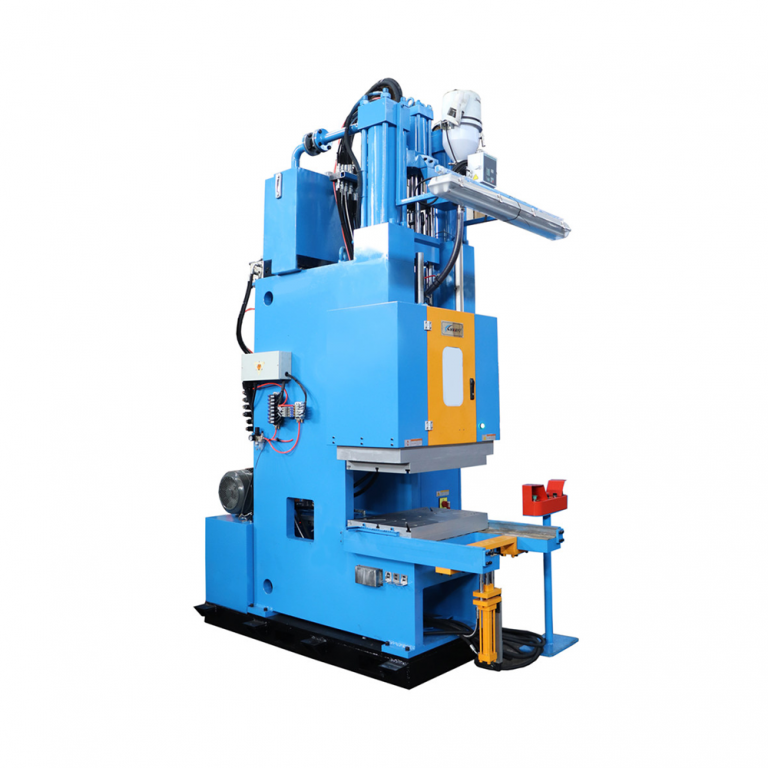
There’s no universal champion — only trade-offs. A belt vulcanizing machine keeps the curing environment stable for long-run sheets or continuous belts; that’s brilliant for seals and extrusions. Conversely, a rubber injection machine offers precise cavity filling and repeatable shot volumes, suitable for parts with complex undercuts. Expect higher upfront tooling cost with injection molds but faster cycle times per finished part once tuned. Energy consumption patterns differ too: continuous belts use steady but lower peak power; batch presses spike during cure ramps — factor that into operating budgets.
Common mistakes I see on shop floors — and alternatives
People often under-spec the curing profile or skip preheating the belt — leading to partial curing or tacky surfaces. Overcooking HCR is another classic: too long at elevated temperature causes embrittlement. A useful alternative is staged curing: begin on a belt vulcanizer for initial crosslinking, then finish in a controlled press or oven to lock dimensions. If you’re evaluating machines, look beyond max temperature and ask about platen flatness, belt tracking systems, and injection pressure control algorithms — these small specs decide yield.
Real-world anchor and credibility
From hands-on projects near the Shenzhen manufacturing belt, I’ve seen small teams dramatically cut scrap by switching to a matched pair: continuous belt vulcanizer for pre-cure and a precision injection press for final geometry. That regional cluster taught one lesson — integration beats feature lists: matching cure cycle, compound formulation, and post-cure handling reduces rework. EEAT mode here is practitioner-led: the recommendations come from on-site adjustments and measured outcomes, not theory alone.
Checklist before you invest
Three practical checks before committing: 1) Verify cure repeatability over a run of 1000 parts; 2) Confirm spare-parts lead time and modular repairability; 3) Run a sample compound on candidate machines to log cure curves and shore readings. Also, check how each vendor supports parameter backups and whether they document the curing profile — it saves weeks when scaling up.
Advisory close — three golden rules for selection
– Rule 1: Prioritise thermal and pressure consistency over headline throughput; predictable parts beat occasional high speed. – Rule 2: Validate with real compound trials and record curing profiles — accept no substitute for live data. – Rule 3: Choose modular machines that let you swap belt length, platen, or injection heads easily; downtime kills margins.
Final thought: for teams wanting durable, repeatable HCR results, the practical solution often pairs a belt vulcanizer with precision injection tooling — that combo is where HWAYI’s integrated approach really helps the shop floor. HWAYI — trusted experience, practical results. —