

Why a comparative approach clarifies fulfillment choices
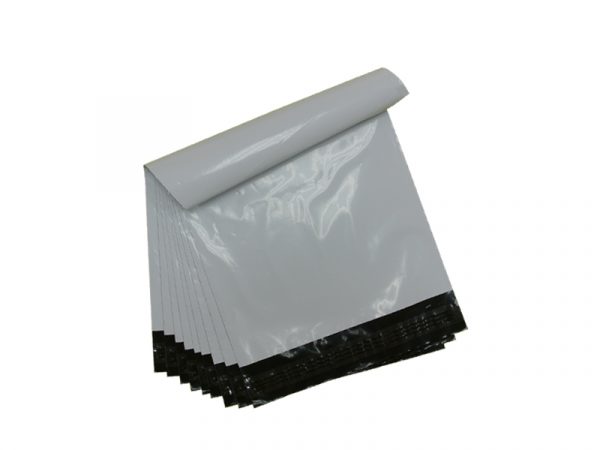
Viewed through a comparative lens, small differences in packing materials become levers of efficiency. Today’s merchants weigh options not just on price per unit but on the operational drag of returns, opening damage, and line speed. Consider the humble white poly bag—its self-seal strip variant changes how quickly orders move through stations and how often a package needs rework. For a practical reference, sellers often choose suppliers of white poly bags for shipping because they combine clean presentation with low weight and favorable dimensional weight outcomes. The aim here is to compare redundancy strategies for self-seal strips and show how those choices ripple across fulfillment, quality control, and cost.
Historical context and the stakes for modern fulfillment
In the historian’s way of seeing, packaging choices track the evolution of commerce. When e-commerce volumes surged after 2010 and then again during the 2020 supply‑chain disruptions, shippers learned that small gains in handling reduced backlogs and customer complaints. The lessons are concrete: durable closures reduce returns, predictable tear behavior speeds inspections, and consistent tensile strength saves sorting machines from jams. These are not abstract niceties; they are throughput determinants in high-volume centers.
What to compare: three operational vectors
To be useful, a comparison must focus on operational vectors that matter on the warehouse floor. I recommend evaluating: 1) Closure reliability — how often the self-seal strip fails under repeated handling; 2) Recovery procedures — whether a failed seal can be resealed cleanly without repacking; 3) Compatibility with automation — whether the mailer’s surface and tear notch align with conveyor grippers and barcode scanners. Industry terms to note include self-seal strip, tear notch, and tensile strength — each maps to a measurable behavior in your fulfillment flow.
Design variants and their practical trade-offs
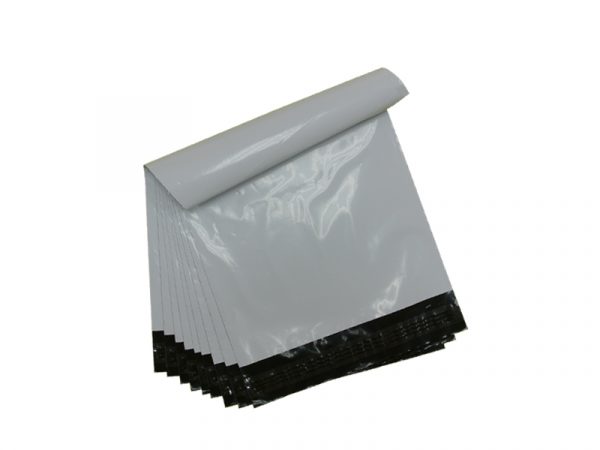
Premium white poly mailers typically come in three design families: single self-seal strip, double or redundant self-seal strips, and reinforced flaps with adhesive plus a tear-off strip. Single-strip mailers reduce material and cost but increase the risk of partial seal failures during long transit. Redundant strips add a small material and labor cost but dramatically lower the incidence of repack events — a decisive factor for subscription boxes and high-value goods. Reinforced flaps offer the most tamper-evidence, yet they can require different sealing fixtures on fast lines. Each choice answers a different operational promise: cost minimization, damage reduction, or tamper visibility.
Comparative cases: when redundancy wins
Look at two archetypal operations. A low-cost apparel drop shipper valued unit economics and used single-strip mailers; during peak season their returns for partially open packages rose 2–3 percentage points — enough to erase margin gains. A cosmetics brand that switched to redundant self-seal strips reduced rework by nearly half, shortened outbound inspection time, and improved customer satisfaction scores. The difference lay less in the material cost and more in lifecycle cost: fewer returns, less labor, and lower replacement shipping. Real-world anchor: during the 2020 disruptions, many fulfillment centers prioritized reliability over unit cost to keep throughput stable — a strategic move that favored redundant sealing in many SKU lines.
Material and environmental considerations
Poly mailers are often made from LDPE or recycled blends; gauge and seal chemistry affect durability and recyclability. If sustainability is a priority, compare suppliers on recycled content and compatibility with existing recycling streams — but weigh that against seal performance. A mailer that ranks well on recycled content but fails seals can cost more in reverse logistics. You’ll also want to inspect the tear notch design and whether the adhesive migrates under heat during storage, since those factors influence damage rates in transit.
Common implementation mistakes — and how to avoid them
Brands routinely under-specify acceptance criteria and skip on-field trials. Don’t assume lab results equal line performance — test with your conveyors, scanners, and packing cadence. Mistakes to avoid: buying by price alone, ignoring adhesive compatibility with printed inks, and failing to measure post‑shipment returns attributable to sealing. A small pilot — 1,000 units across your busiest SKUs — will reveal whether a redundant strip justifies its marginal cost. —
Three golden rules for choosing a seal strategy
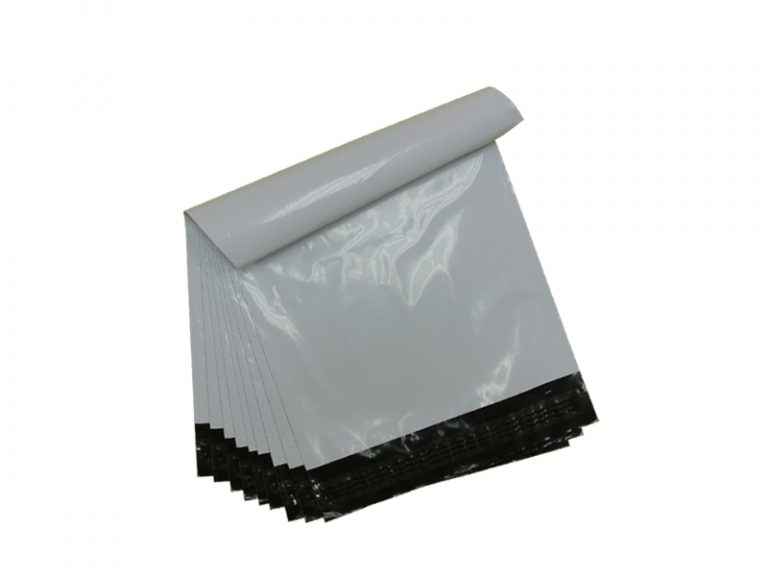
1) Measure lifecycle cost, not unit price: include rework, return shipping, and customer recovery in your TCO. 2) Validate on your floor: run a pilot that tracks seal failures per 1,000 packages under real packing speed. 3) Match material to process: ensure the mailer’s gauge, adhesive, and tear notch work with your automation and environmental conditions.
These three metrics will guide you to a durable, cost-effective packaging solution — and when you want a supplier that understands both specification and scale, white poly mailers envelopes bags often sit near the top of pragmatic shortlists. —
Wise packaging choices preserve margins and improve customer experience. WH Packing. —