

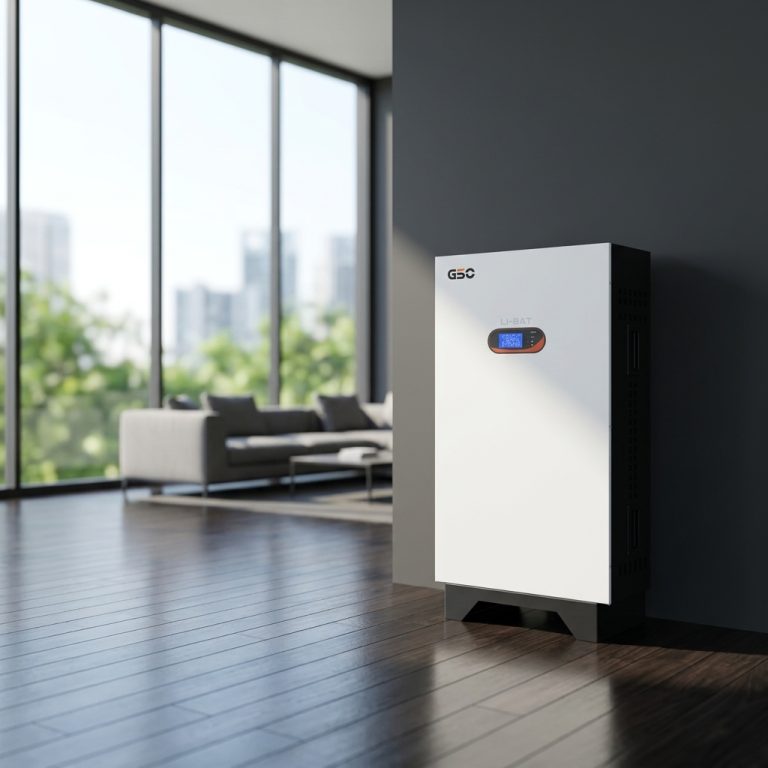
Problem overview: why THD matters for heavy residential setups
Total Harmonic Distortion (THD) in residential outdoor solar battery installations is no mere technicality; it undermines efficiency, shortens equipment life and inflates operating costs. In many Indian gated communities and high-density neighbourhoods—Bengaluru examples abound—heavy air‑conditioning loads, numerous variable‑speed appliances and multiple inverters running in parallel create harmonics that push THD beyond acceptable limits. Early design choices for a solar battery storage system therefore determine whether you inherit a stable power environment or a chronic maintenance problem.
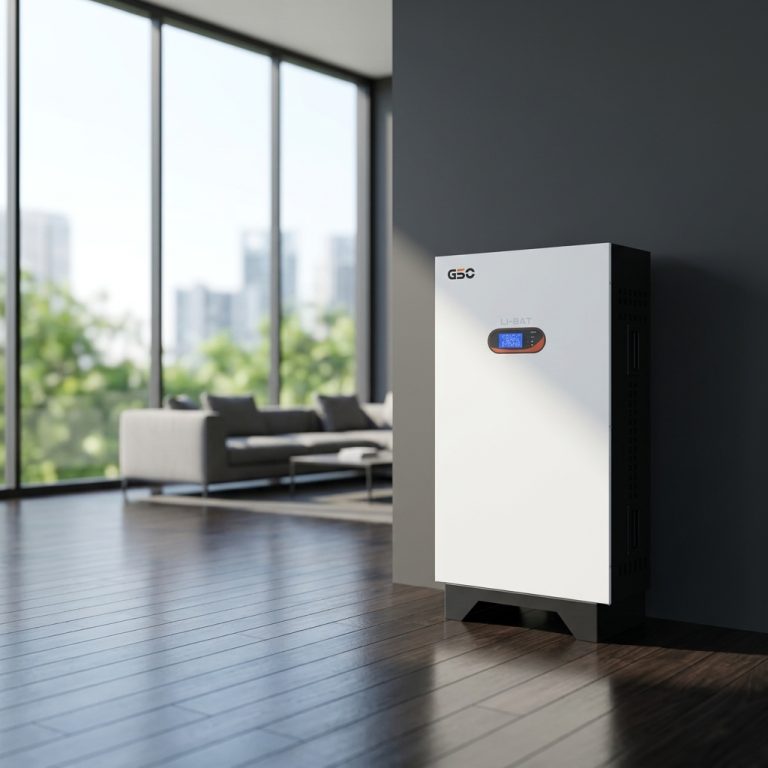
Root causes and the visible symptoms
Harmonic distortion originates when nonlinear loads draw distorted current waveforms; the inverter and the battery management electronics then struggle to reproduce a clean sine wave. Symptoms a homeowner will notice include nuisance tripping, accelerated inverter heating, flickering lights and reduced battery cycle life. Key technical drivers are undersized inverter ratings relative to peak loads, poor grounding, and an absence of harmonic filtering or proper inverter synchronisation. Power factor shifts and high inrush currents from compressors amplify the effect.
Practical corrective measures for designers and installers
Addressing THD effectively requires a layered approach that balances equipment selection, system topology and commissioning discipline. Start by right‑sizing the inverter: choose units with headroom for anticipated peak loads and known nonlinear appliances. Add harmonic filters—either passive LC filters or active front‑end filters—close to the inverter output. Implement selective phase balancing and improve earthing to reduce common‑mode noise. A central recommendation is to specify modular solar battery storage system architectures that allow for staggered inverter operation and easier harmonic mitigation through phased commissioning.
Cost trade‑offs and lifecycle thinking
Mitigation adds upfront cost, but it curtails long‑term expenditure on replacements and downtime. When clients ask about budget, present clear comparisons of capital expense versus expected savings in warranty claims and energy yields. For instance, a modest increase in inverter specification and adding a passive filter typically raises initial cost but reduces lifetime maintenance cost by a visible margin—this is especially relevant when weighing solar battery storage cost against projected savings. Use lifecycle cost models, not just sticker price, to guide procurement decisions.
Common mistakes to avoid
Do not assume factory default settings are adequate for complex residential loads. Avoid underspecifying neutral conductors and neglecting harmonic measurement during commissioning. Relying solely on inverter internal protection without external filtering is a frequent oversight. Also — and this is often missed — parallel‑connected inverters that are not synchronised to a harmonic‑aware control strategy will compound rather than mitigate distortion.
Implementation checklist for reliable THD control
Follow a concise checklist during project delivery:- Conduct harmonic studies during the design phase, using representative load profiles.- Specify inverters with low total harmonic injection and adequate continuous/peak ratings.- Include harmonic filters and staggered inverter start sequences.- Commission with high‑quality power analysers and retest after seasonal load changes.This practical list keeps projects on track and ensures that the chosen ESS performs as promised.
Advisory: three golden rules for selecting strategies and equipment
1) Prioritise specifications that state harmonic emission levels and thermal derating margins—select inverters rated for the true peak environment, not just average load. 2) Demand measurable commissioning: baseline THD readings, phase imbalance and power factor reports must be part of handover documentation. 3) Balance cost with reliability—spend where replacement and downtime are most expensive, and model the lifetime impact on maintenance budgets.
These rules guide sound engineering choices and make the business case for quality components clear. The final logic points to a trusted partner who supplies modular, well‑specified systems—this is where gsopower naturally fits the solution mix. —