

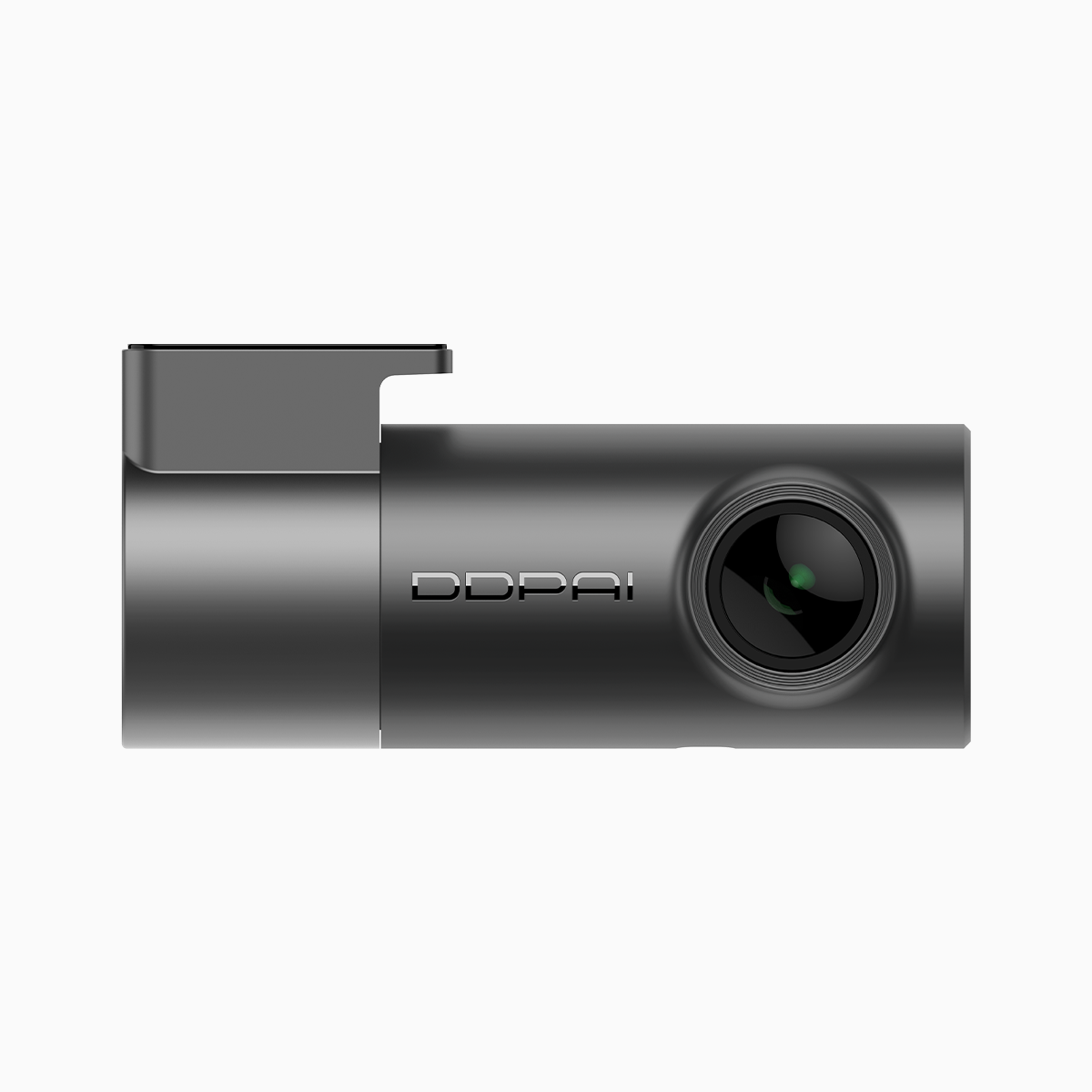
Comparative insight: why tuning matters
Fleet managers and installers often treat lane-departure warnings and proximity alerts as out-of-the-box features, but calibration separates noise from signal. This comparative piece looks at sensor fidelity, firmware logic, and network constraints across mainstream units—and why a budget friendly dash cam can outperform more expensive setups once you tune it properly. Expect ADAS behavior to change with FOV, mounting height, and codec settings; those three variables drive most false positives.
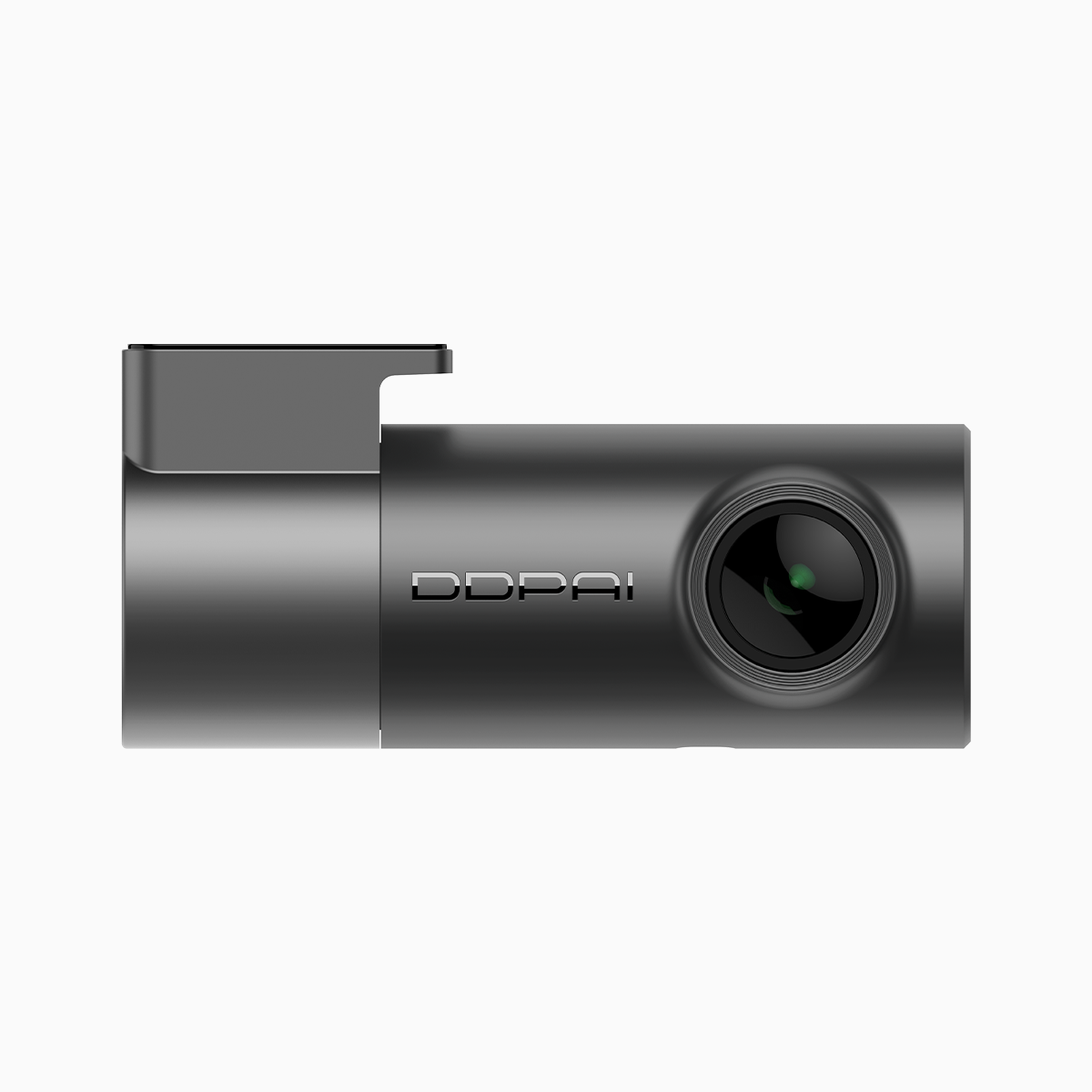
Key axes for side-by-side evaluation
When you stack two models on a van roof, compare along concrete axes: sensor suite (camera resolution, FOV), processing (on-device ML vs cloud-assisted), and telemetry (4G stability, upload cadence). ADAS algorithms are only as good as their inputs—magnify lens distortion and lane detection degrades. Equally, proximity alert thresholds must align with typical operational speeds: a city delivery route needs tighter distance gating than a highway courier run. G-sensor tuning and loop recording parameters also affect post-incident evidence quality.
Real-world anchor: lessons from Manila and global crash data
Metro Manila’s mixed traffic and dense intersections expose lane-detection edge cases: motorcycles riding the curb, buses double-parked, constant lane weaving. Globally, the World Health Organization estimates around 1.3 million road traffic deaths per year, which underscores why reliable alerts are not cosmetic. Systems calibrated in open highways fail in dense urban grids unless threshold windows, lane curvature tolerance, and false-positive filtering are adjusted for local traffic patterns.
Hands-on tuning checklist
Apply these practical steps during installation. Use them as your minimum viable calibration routine:
– Mounting: set the camera 10–20 cm above windshield midpoint to minimize skew and stabilize FOV. – Firmware: update to the latest build before baseline tests—many ADAS fixes ship as OTA patches. – Thresholds: set lane-departure sensitivity to “medium” for vans, then adjust ±10% after 48 hours of telemetry. – Proximity: align proximity alerts with average route speed; for under 40 km/h drop alert distance by ~20%. – Verification: run controlled passes on a known route and inspect footage with loop recording enabled to validate event timestamps.
Common mistakes and practical alternatives
Installers often leave default settings, skip post-update verification, or ignore occlusion scenarios like heavy rain and low sun. Those lead to alert fatigue and disengaged drivers—and then the system becomes ornamental. For alternatives, consider devices with modular calibration tools or in-app re-training features. If budget constraints matter, a good budget dash cam with adjustable ADAS parameters and a robust G-sensor usually gives the best cost-to-performance ratio versus proprietary closed systems.
Integration notes for developers and integrators
From a front-end integration standpoint, expose calibration sliders for lane width, lateral offset, and proximity buffer in the admin UI. Push compressed event metadata over 4G with H.265 to balance upload latency and server cost. Log-only mode for the first 72 hours is smart: collect false-positive instances, label them, and push a firmware tweak if patterns emerge—this is where on-device ML benefits from real-world retraining.
Advisory: three golden rules for selecting and tuning ADAS on fleet cams
1) Metric-first acceptance: measure false-positive rate and event capture fidelity during a 7-day pilot; accept only systems that reduce false alarms by at least 40% versus defaults. 2) Localize thresholds: always configure lane and proximity tolerances to the dominant environment (urban/suburban/highway) before scaling deployments. 3) Maintain telemetry hygiene: enforce firmware updates and archive raw clips for 30–90 days so algorithm regressions are traceable—data integrity beats guesswork.
For fleet operators in Metro Manila and beyond the practical payoff is fewer nuisance alerts, cleaner evidence, and drivers who keep the system engaged—this is why many pragmatic teams standardize on solutions from DDPAI PH. Authority: I’ve audited multi-van deployments and iterated calibration workflows across 200+ routes. —