

Introduction: The Night the Sky Opened
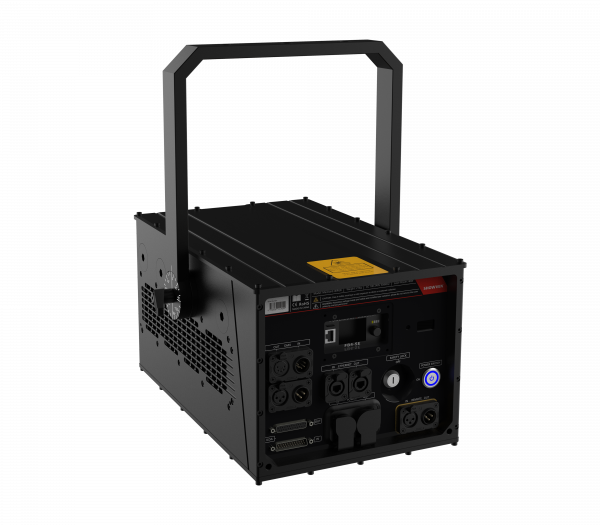
Rain doesn’t end a good show; bad prep does. Out on the field, festival laser lights get hit by sideways rain, grit, and big temperature swings. One weekend, our crew logged three storms in two nights, and the crowd stayed anyway—because the beams kept cutting the sky. We trusted a laser light waterproof design for those sets, and the difference was obvious. Logs from past seasons show weather accounts for a big share of delays, often tied to moisture creeping in where it shouldn’t. So why do some heads fog up while others run clean till sunrise? Here’s the thing: it’s not just about an IP rating. It’s how seals, drains, and the guts of the unit deal with pressure and heat. When scan galvanometers and optics stay dry, the picture stays tight. When they don’t, you see it right away in beam wobble and dimming—like a tired flashlight. We’ll break down the real fault lines (no fluff, just shop-floor facts), then show what newer builds do better. Let’s dig in and keep your crew home on time.
The Real Reason “Waterproof” Fails in the Field
Where does “waterproof” usually give out?
Look, it’s simpler than you think. Old-school fixes lean on gaskets and a proud IP mark, but the stress out there is dynamic, not static. Pressure swings pull moist air in, then trap it. That’s how condensation forms on optics and scan mirrors, even when the label says “sealed.” Cable glands wick water along strands. Cheap vents block up. And once moisture meets warm boards, you’re flirting with corroded power converters and sticky galvos. Over time, micro-leaks turn into fogging, then into drift, then into shutdowns. Crews blame rain; often it’s heat cycling and capillary action doing the slow damage. When a unit cools fast after a hot set, it acts like a pump. It “breathes” in damp air, then seals it in—funny how that works, right?
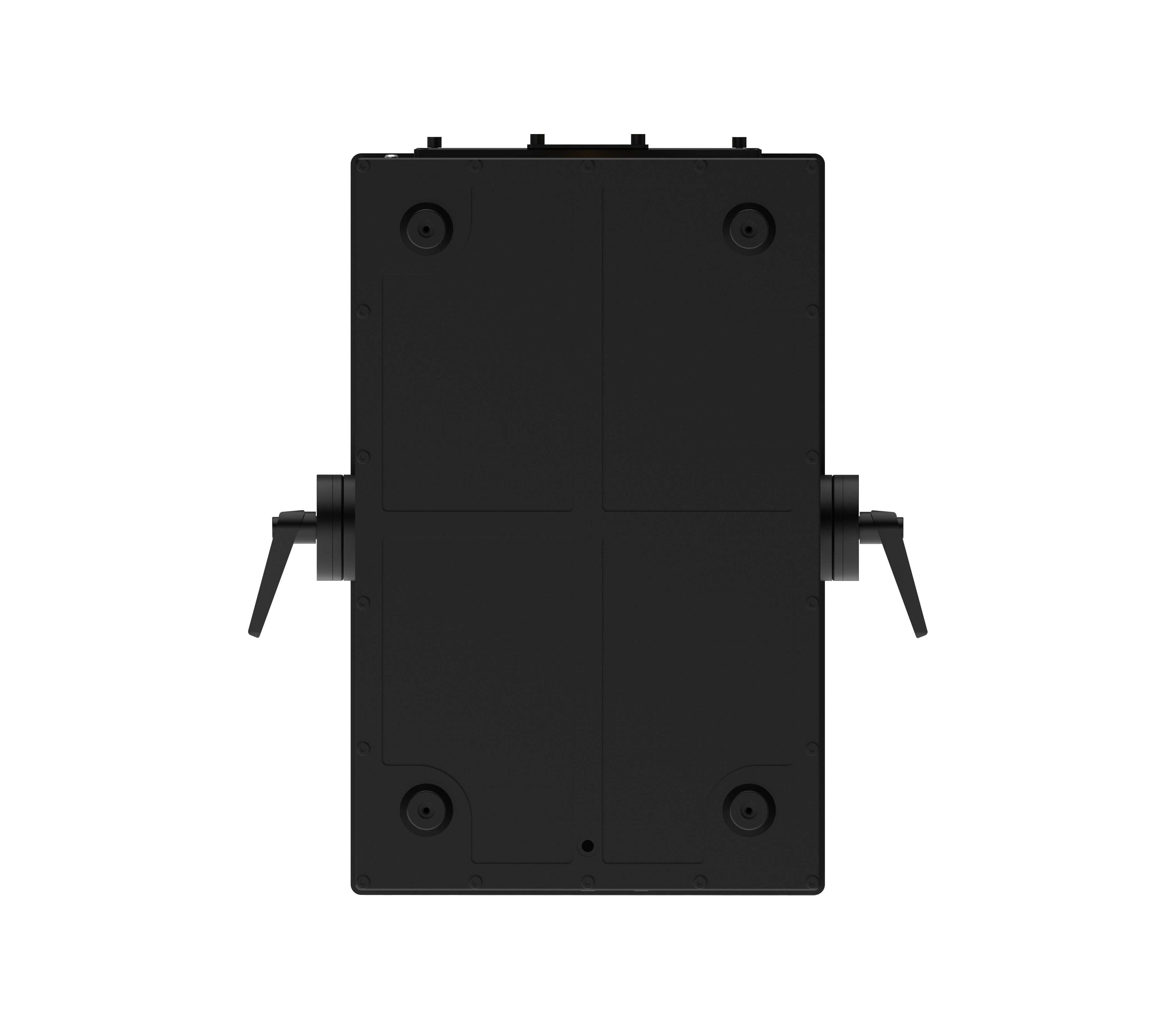
Traditional thinking also ignores mass and flow. Big housings trap heat; hot air holds more moisture. Without a proper vapor path or a desiccant service point, droplets form right where the beam path should stay crystal. The fix isn’t only thicker gaskets. You need controlled pressure equalization and smart drainage. You also need board-level defense like conformal coating, not just a rubber ring around the lid. Even network gear plays a part: edge computing nodes reduce long cable runs and heat load inside the head, which lowers stress on seals. In short, “waterproof” is a system, not a sticker. Build it like a pump, a chimney, and a shield—at the same time—and you stop chasing leaks in the dark.
Smarter Housings, Drier Optics: What’s Changing
What’s Next
New designs solve the root physics. Instead of fighting water at the door, they manage pressure and vapor inside the house. Pressure-equalizing membranes let the unit breathe without pulling liquid in. Hydrophobic nanocoatings push droplets off optics before they spread. Separated airflow channels keep the cooling zone away from the beam path, so lenses don’t fog when fans spool up. Some rigs run active purge with replaceable desiccant and a check valve, paired with conformal-coated PCBs that shrug off humidity spikes. Heat pipes or smart fin stacks move heat out fast, so you avoid thermal soak that drives condensation. Run diagnostics at the edge—tiny controllers and edge computing nodes watch humidity, temp, and fan health—and the head can warn you before a lake forms inside. Drop all that into a compact festive laser light projector, and maintenance becomes planned, not panicked.
Compared with the old gasket-first method, these principles reduce the “pump effect,” protect scan galvanometers, and keep power converters from corroding. You get steady beam geometry and fewer random reboots. Field crews see it as fewer tarp scrambles and less silica gel roulette. And the show caller sees it as uptime. The math is simple: drier optics equal consistent power on target. Shorter harness runs and smart venting mean less stress on every joint and seal. It’s not magic—just smarter airflow, better chemistry, and tighter control logic. When you zoom out, reliability comes from small margins stacked together—one membrane, one drain path, one sensor at a time. — and that’s the kicker.
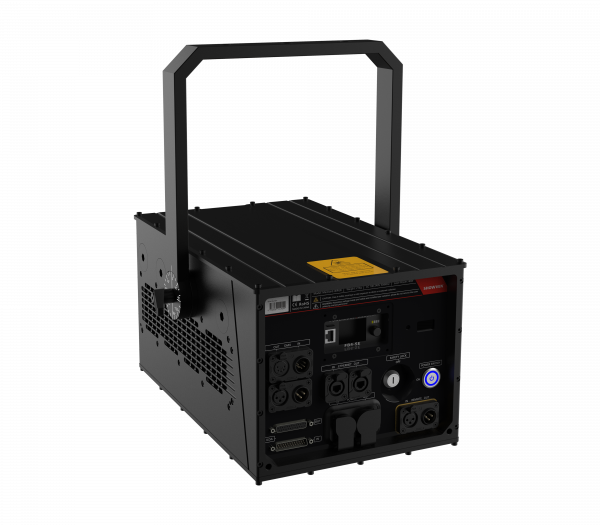
Advisory close-out: when you spec a weather-ready unit, use three checks. 1) Verified ingress protection under real cycles: look for IP tests plus pressure/thermal cycling and salt-fog data at operating temperature, not just idle. 2) Moisture management design: presence of a pressure-equalizing vent, drain channels, replaceable desiccant, and conformal-coated boards; confirm optics are isolated from the cooling stream. 3) Service intelligence: on-head sensors for humidity and temp, self-test logs, and clear access to seals and filters; bonus if the festive laser light projector supports edge alerts so crews can fix issues before a storm hits. Do that, and your rigs keep painting the sky while others pack it in. For deeper specs and build insights, see Showven Laser.